One of the most common concerns parents share when starting ABA therapy is this: “My child does great in therapy sessions, but at home it’s a completely different story.” If this sounds familiar, you’re not alone, and you’re actually describing one of the most important challenges in ABA therapy: generalization.
At Valcor ABA, generalization isn’t an afterthought. It’s a central goal built into every treatment plan from day one. Because a skill that only works in one room, with one therapist, at one specific time of day, isn’t truly a learned skill yet. True learning happens when a child can use what they’ve been taught anywhere, anytime, and with anyone.
Let’s explore what generalization means, why it’s so critical, and how ABA therapy systematically teaches it.
What Is Generalization in ABA Therapy?
Generalization refers to a child’s ability to apply a learned skill across different settings, people, materials, and situations. In behavioral science, there are three main types of generalization that ABA therapy targets:
- Stimulus Generalization This occurs when a child applies a skill in a new environment or with new materials. For example, if a child learns to request water during therapy sessions, stimulus generalization means they can also request water at home, at a restaurant, or at school, not just in the therapy room.
- Response Generalization This happens when a child uses variations of a skill to achieve the same outcome. For example, a child who learns to say “I want juice” may also start saying “Can I have juice?” or “Juice, please?” Response generalization shows that the child truly understands the concept, not just the memorized phrase.
- Maintenance is the ability to keep using a skill over time, even after therapy has moved on to new goals. A skill that fades after a few weeks hasn’t been truly generalized. ABA therapy builds in regular review and practice to ensure skills stick for the long term.
Why Generalization Is So Important
Without generalization, even the most successful therapy sessions can fail to produce real-world results. A child might be able to identify emotions perfectly on flashcards but still struggle to recognize frustration on a peer’s face during recess. They might follow a two-step instruction from their therapist but not respond when their teacher says the same thing.
Generalization is what bridges the gap between the therapy room and real life. It’s what allows a child to use their communication skills at a birthday party, apply their self-regulation strategies during a school field trip, and practice their social skills on the playground without a therapist present.
At Valcor ABA, our ultimate goal is not just for children to succeed in therapy. Our goal is for children to thrive in their everyday lives.
How ABA Therapy Teaches Generalization
Generalization doesn’t happen by accident. It requires deliberate, strategic planning by Board Certified Behavior Analysts (BCBAs). Here’s how Valcor ABA builds generalization into every step of the therapy process.
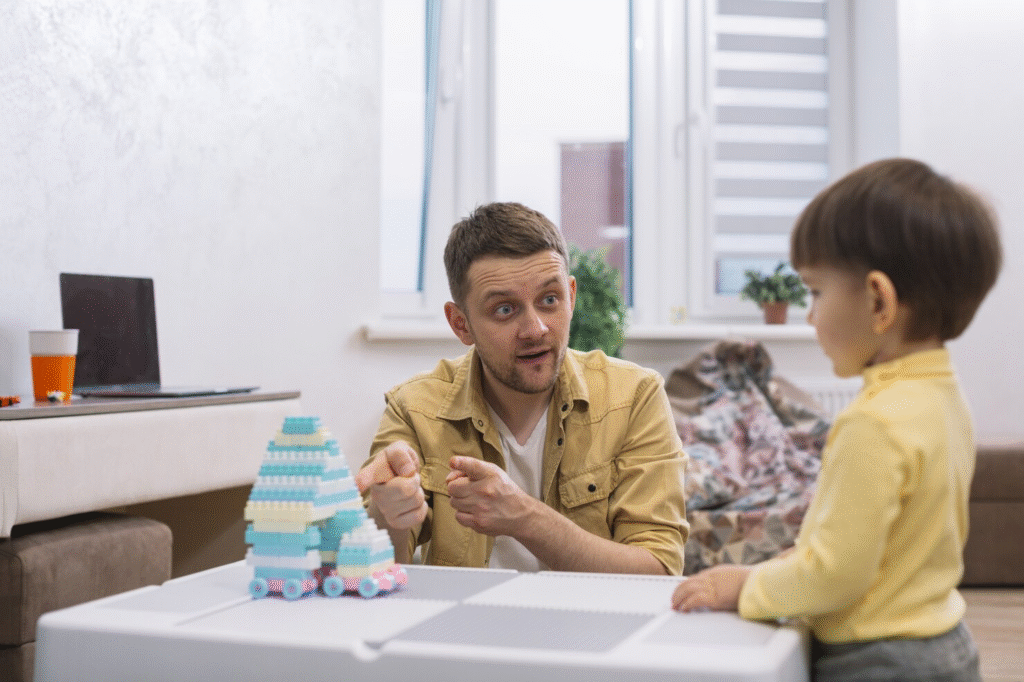
- Varying the Teaching Environment From early on, therapists intentionally teach skills in multiple locations. A child might practice requesting items at a table in the therapy room, then in the kitchen at home, then in a simulated store environment. Each new setting reinforces that the skill belongs to the child, not just to one particular place.
- Using Multiple Therapists and Caregivers Children diagnosed with autism sometimes form strong routines around specific people. If a skill is only practiced with one therapist, the child may not generalize it to parents, teachers, or peers. At Valcor ABA, we intentionally rotate practice across different team members and actively involve parents and caregivers in sessions to ensure the child can use their skills with everyone in their life.
- Varying Materials and Stimuli Repetition with the same materials can lead to a phenomenon called stimulus overselectivity, where the child associates a skill with one very specific object and struggles to apply it with anything else. For example, a child who only practices labeling with one specific picture card might not generalize “apple” to a real apple, a drawing, or a different brand of flashcard. To prevent this, ABA therapists use a wide variety of materials, images, toys, and real-world objects when teaching. The more variety during teaching, the stronger and more flexible the skill becomes.
- Teaching in the Natural Environment is one of the most powerful tools for promoting generalization. Instead of only practicing skills at a table during structured sessions, therapists embed learning opportunities into play, daily routines, and real-life situations. When a child practices a skill while genuinely motivated and engaged, generalization happens much more naturally.
- Programming for Common Stimuli ABA therapists intentionally incorporate elements from the child’s everyday environment into therapy sessions. If a child struggles with transitions at school, the therapist may use similar visual schedules and cues during therapy. If a child needs to follow instructions from their teacher, practice may include responding to instructions given in a similar tone, context, and setting as school.
Valcor ABA Pro Tip: One of the most powerful things you can do as a parent is practice your child’s therapy goals throughout the day in natural situations. If your child is working on requesting, create small, fun opportunities at snack time, bath time, or during play. Consistency at home accelerates generalization dramatically.
- Gradually Fading Prompts During early teaching, therapists often use prompts such as physical guidance, verbal cues, or gestures to help a child complete a skill. But if prompts are never faded, the child becomes dependent on them. Part of teaching generalization is systematically reducing prompts so the child can perform the skill independently, without needing a specific cue from a specific person.
- Building in Maintenance Checks Once a goal is mastered, it isn’t forgotten. At Valcor ABA, BCBAs schedule regular maintenance checks to ensure previously learned skills remain strong. If a skill shows signs of fading, it’s briefly re-introduced before it regresses significantly.
The Role of Parents in Generalization
Parents are the single most powerful force in generalization. Because parents interact with their child across every environment and every moment of the day, they have opportunities that no therapist ever will. When parents understand the goals being targeted in therapy and actively reinforce them at home, generalization happens faster, more completely, and more durably.
At Valcor ABA, parent training is a core component of every treatment plan. We teach families how to recognize opportunities for practice, how to deliver reinforcement naturally, and how to stay consistent with the strategies being used in therapy. The more aligned home and therapy are, the stronger the generalization outcomes.
Signs That Generalization Is Happening
How do you know when generalization is truly taking hold? Here are some encouraging signs to watch for:
- Your child uses a skill with a new person without being prompted
- They apply a learned behavior in a new setting spontaneously
- They use variations of a skill, showing flexibility in how they respond
- Skills learned months ago remain consistent and strong
- They transfer skills to real-world situations without reminders
Each of these moments is worth celebrating. They represent not just learning, but true ownership of a skill.
The Valcor ABA Commitment
At Valcor ABA, we never consider a skill “done” just because it was mastered in a therapy session. We keep working until that skill is truly the child’s own, flexible, durable, and usable in every corner of their life.
Our Board Certified Behavior Analysts design every treatment plan with generalization in mind from the very first goal. We partner closely with families, schools, and caregivers to create a consistent, supportive network that makes generalization not just possible, but inevitable.
We proudly serve families across Savannah, GA with center-based, in-home, and school-based ABA therapy. Contact us today to learn how our data-driven approach can support your child’s growth.
Key Takeaways
- Generalization is the ability to use a learned skill across different settings, people, and materials, making it a central goal of ABA therapy.
- Three types of generalization exist: stimulus generalization, response generalization, and maintenance.
- It must be deliberately planned, not left to chance, through varied environments, materials, and instructors.
- Natural Environment Teaching accelerates generalization by embedding learning into real-life situations.
- Prompt fading is essential to ensure children can perform skills independently without relying on cues.
- Parents are the most powerful driver of generalization, and parent training is a core part of every Valcor ABA program.